
-
-
Cecil Isbell
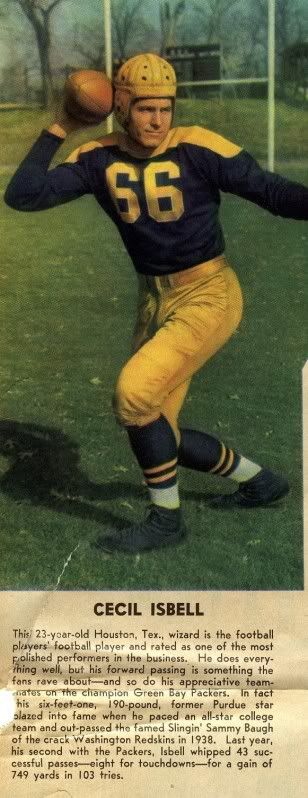
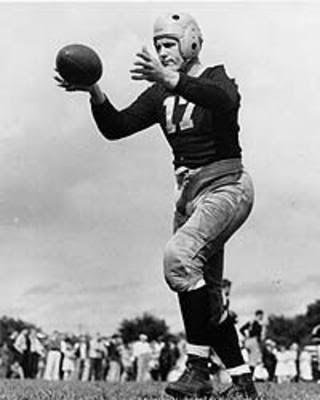
Isbell only played five years in the NFL (38-42), but he was voted to the All-Pro team in each of those five years.
Isbell was a very accurate passer and a good runner and he led the Packers in rushing and passing in his rookie year.
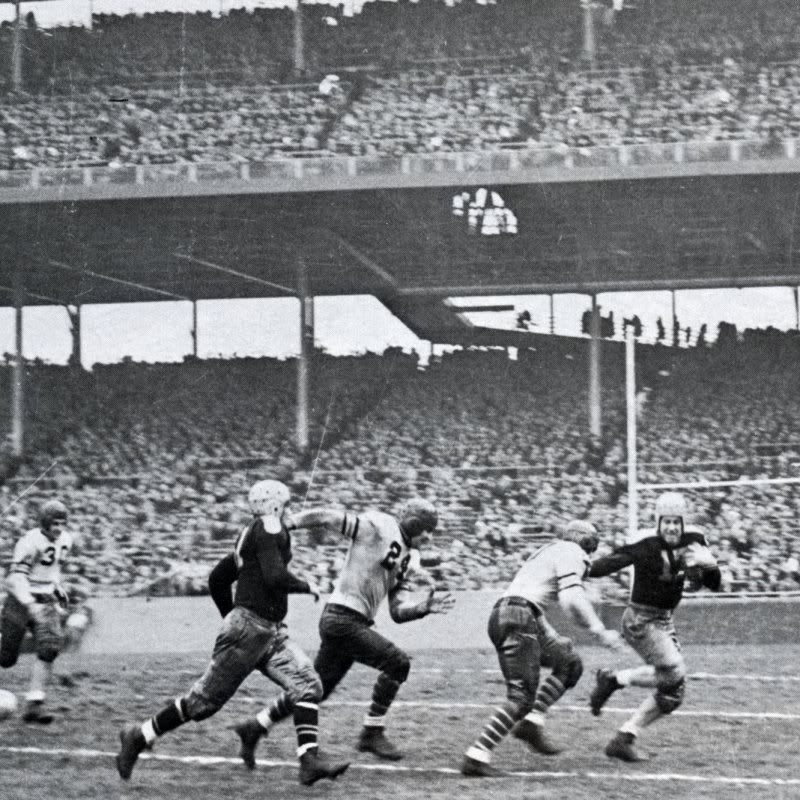
It wasn't until Isbell became the team's passer in 1938 that the Packers really began to use timing patterns.
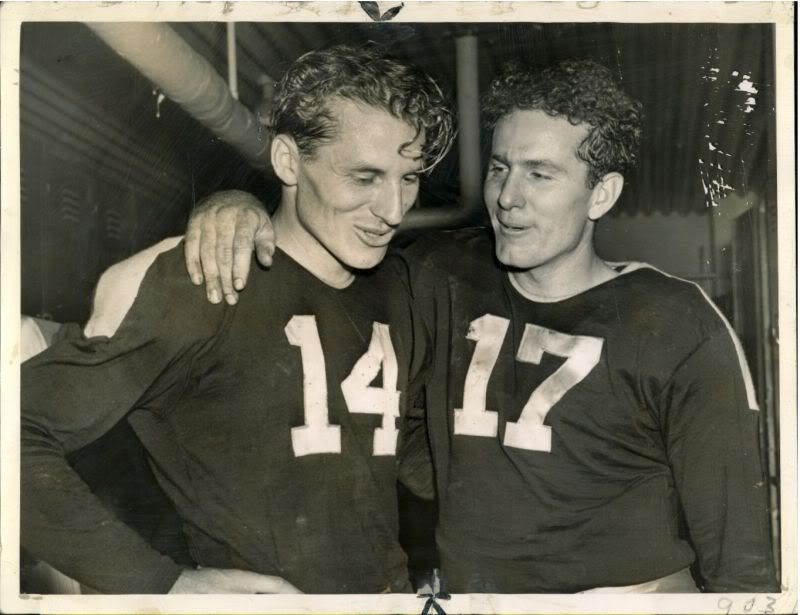
Hutson and Isbell worked in the same paper mill for a couple of years during the off-season, and they often spent their lunch hours practicing timing passes in the company parking lot.
The timing pass made him even more dangerous. But other NFL teams didn't adopt the idea, probably because teams simply didn't put in enough practice time in those days to develop timing passes effectively.
He led the NFL in touchdown passes in both ’41 and ’42, his last two seasons.
Isbell, then at the top of his game, retired following the 1942 season returned to West Lafayette, Ind., to become head coach of his alma mater, the Purdue Boilermakers.
Isbell made it clear he wanted to quit while he was still on top of his game and not be pushed out after getting old and slow, as he had seen happen to other players.
Had he continued to play, he would have probably been considered one of the top passers of his day, right alongside Sammy Baugh and Sid Luckman, and a sure-fire hall-of-famer.
Comment
-
Buford "Baby" Ray
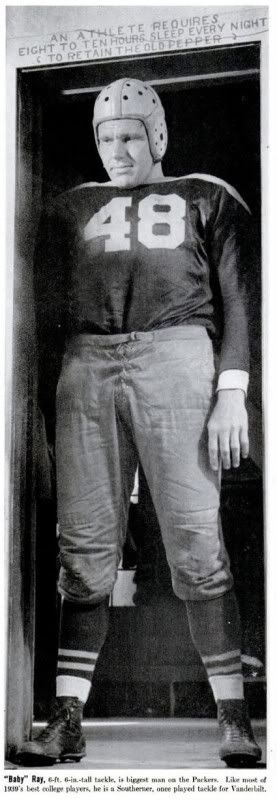
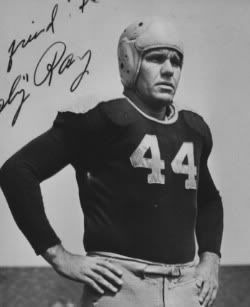
The co-captain of the Vanderbilt University Commodores in 1937, the 6’6” Ray was a giant of a lineman in his time.
Baby Ray was a dominating blocker and defensive tackle for more than a decade as a Packer.
He blocked a punt for a safety against Detroit in 1939 in a game the Packers won 12-7.
He weighed more than 280 pounds in college but dropped 30 pounds in his first season in Green Bay.
Ray played 11 seasons, from 1938-’48.
He was a member of two Packer championship teams.
Ray became a long-time Packer scout after his retirement.Comment
-
Unbelievable stuff Vince.....great thread.C.H.U.D.Comment
-
Charley Brock
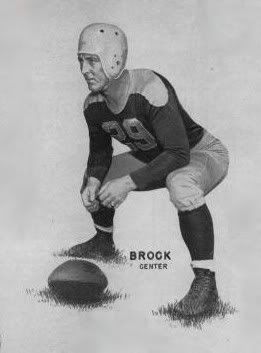
Center and linebacker Charley Brock was a tough two-way performer for the Packer champions of 1939 and 1944.
The Packer’s number two choice in 1939, the 6’1”, 210-pound Brock was an outstanding pass defender as a linebacker.
He intercepted 20 passes as a Packer including two in the 1939 championship victory over the New York Giants.
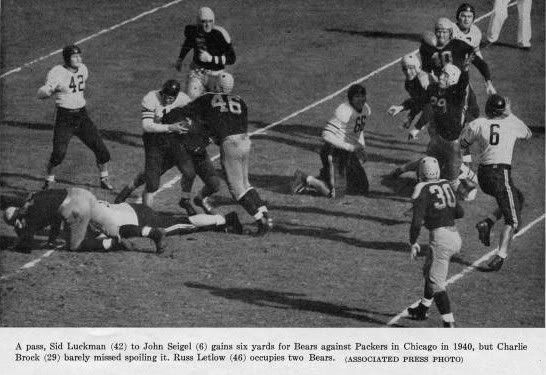
In an era of tough competition at center, the former University of Nebraska Cornhusker was named All Pro center in 1945 over future Pro Football Hall of Famers Mel Hein of the New York Giants (who was recently honored as a Top 100 all-time player) and Bulldog Turner of the Bears.
Brock was voted to the all-time Packer team at Center in 1949.
Brock became an assistant coach at St. Norbert College, De Pere, Wis., and Omaha University before becoming a Packer assistant coach in 1949.Comment
-
Ted Fritsch
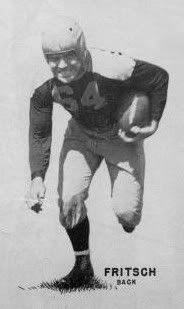
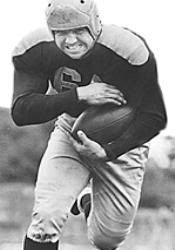
Ted Fritsch came to the Packers in 1942 recommended by his Stevens Point State College coach, former Packer Ed Kotal.
The 5’10”, 205-pound Fritsch was a bruising fullback who ran over defenders rather than eluding them.
The athletic Fritsch also played with the Oshkosh All Stars of the National Basketball League and with the Triple A Toledo Mud Hens baseball team.
Fritsch scored both Packer touchdowns in the 14-7 1944 NFL championship victory over New York, one rushing and one receiving.
Video: Ted Fritsch scores both Packer TD’s in 1944 Championship over the Giants
Fritsch led the NFL in scoring with 100 points in 1946.
Fritsch scored 380 points and rushed for 2,200 yards during his Packer career, from 1942-’50.
Fritsch was also a great tackler and a able defender on defense.
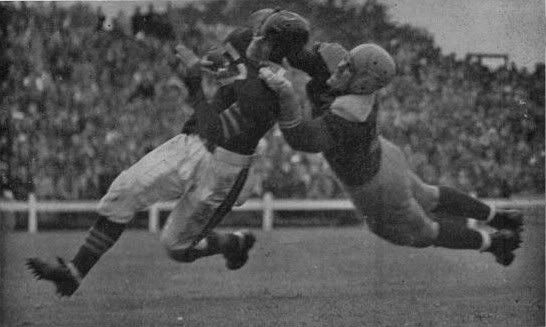
Fritsch was voted to the 1st team All-NFL in 1945 and 1946.
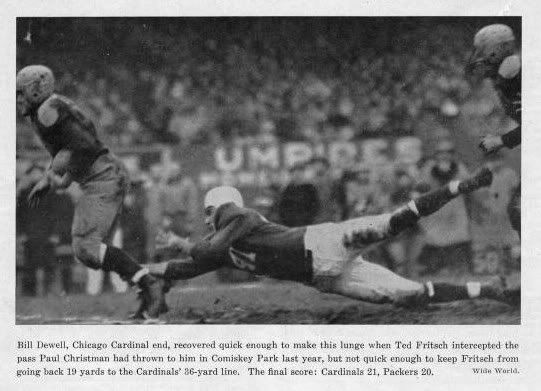
After retiring, Fritsch was a teacher, coach and athletic director at Premontre High School in Green Bay.[/u]Comment
-
Howie Ferguson
Fullback— Green Bay Packers 1953-58, Los Angeles Chargers 1960 [All-Pro (NEA) 1955]
He only played a couple of years, but I'll bet you every guy who ever tried to bring him down remembers each and every tackle.
Art Donovan

Howie Ferguson earned his pro football career the hard way – first in the Los Angeles Rams’ training camp, then in 1953 with the Packers.
Ferguson, who never played college football, was a hard-nosed runner who signed with the Packers as a free agent in 1953. The 6’2”, 210-pound Ferguson gained 2,120 yards rushing and 1,079 yards receiving as a Packer between 1953 and ‘58.
Ferguson was named to the 1956 Pro Bowl. Multiple injuries forced him to retire during the 1959 training camp.
 "Never, never ever support a punk like mraynrand. Rather be as I am and feel real sympathy for his sickness." - Woodbuck
Comment
-
Thanks for that Ayn. The 50's are a relative black hole as far as Packer legends (and Packer wins) go. A bunch of 60's legends started then, but they didn't do much until Lombardi came along and whipped 'em into shape.Comment
-
Tony Canadeo

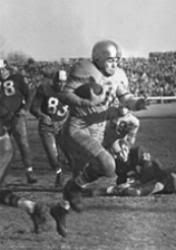
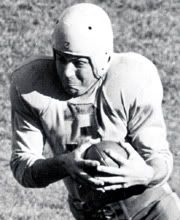
Tony Canadeo from little-known Gonzaga University was an unsung ninth-round choice of the Green Bay Packers in 1941 but it wasn't long before he earned the reputation of being a budding superstar who could – and would – do anything on a football field.
Because he was prematurely gray, he was popularly known as "The Gray Ghost of Gonzaga."
He played offense and defense, ran with the ball, threw passes, caught passes, returned punts and kickoffs, punted and intercepted passes.
In 11 years, he rushed for 4,197 yards, passed for 1,642 yards, recorded 69 receptions for 579 yards, gained 513 yards on punt returns, 1,736 on kickoff returns, and scored 186 points.
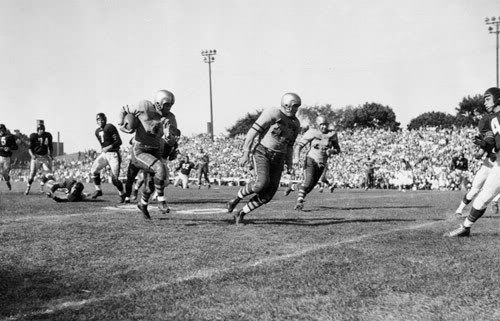
Canadeo was a tough, hard-nosed runner, with his career year occurring in 1949 as he ran for 1,052 yards and four touchdowns.
His 1,000 yard season was the first by a Packer (and only the third ever in the history of the league at that point).
He is one of only five players to have had his number retired by the team and he is a 1974 inductee of the Pro Football Hall of Fame.
He led the Packers in rushing in 1943, ‘46 and ‘49.
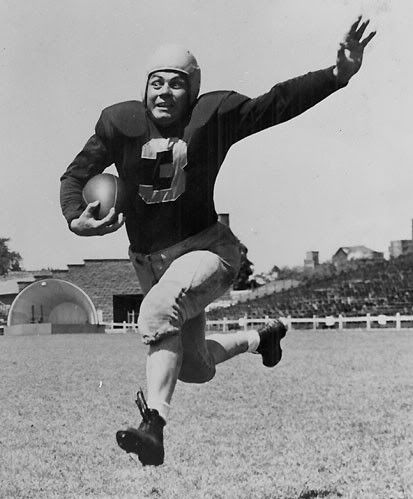
Canadeo had a split career in Green Bay, which was separated by his service in the Army during World War II in 1945.
A former teammate once summed up Canadeo’s career this way: “He wasn’t fast. He wasn’t big. He wasn’t elusive like a lot of runners. He wasn’t really powerful. But when Tony put that ball under his arm, he was a wild man.”
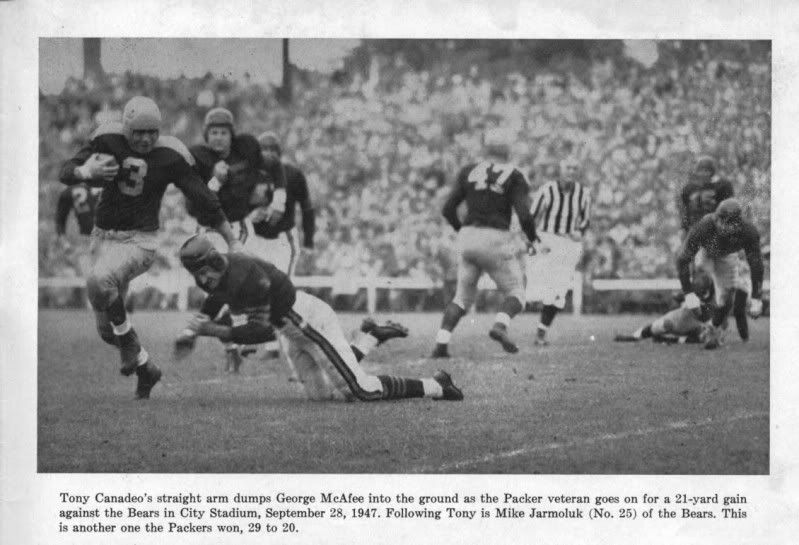
Altogether the versatile Canadeo gained 8,667 multi-purpose yards.
He also intercepted 9 passes and punted 45 times during his remarkable career.
Green Bay from 1941 through 1944 was one of the NFL's premier teams. During that period, Tony was a complementary player in the backfield, playing second fiddle to players such as Don Hutson, Ted Fritsch and Cecil Isbell.
While Hutson was charismatic and graceful, Canadeo was tough and gritty on the football field. Hutson had all the natural talent, while Canadeo had tons of heart.
He initially served as an understudy to veteran quarterback Cecil lsbell.
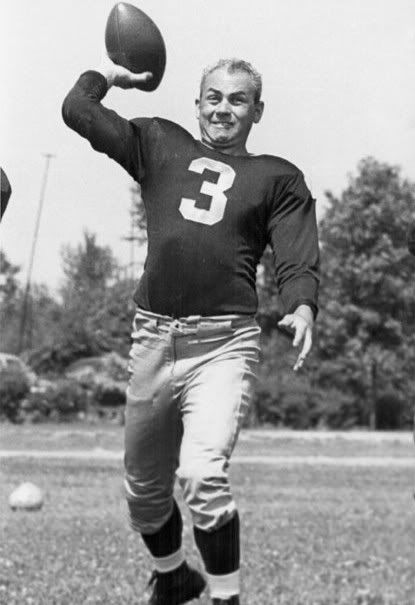
Then in 1943, he became the Packers' No. 1 passer. That year he was also named to the official All-NFL team.
When he returned from the Army in 1946, the Packers no longer were contenders and Canadeo’s role was significantly different.
For his final seven seasons in the league, Tony became a heavy-duty running back and, predictably, came through with flying colors.
Tony employed the attributes of most great athletes – determination, courage and tenacity – to attain Hall of Fame stature.
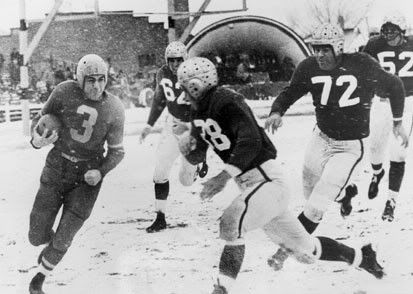
He was probably one of the best all-around players in Packer history," longtime Packers spokesman Lee Remmel said. "He could do just about anything. He was a good runner, a good blocker, a good returner and a good receiver. He was one of the toughest players the Packers have ever had, an extremely hard-nosed player."
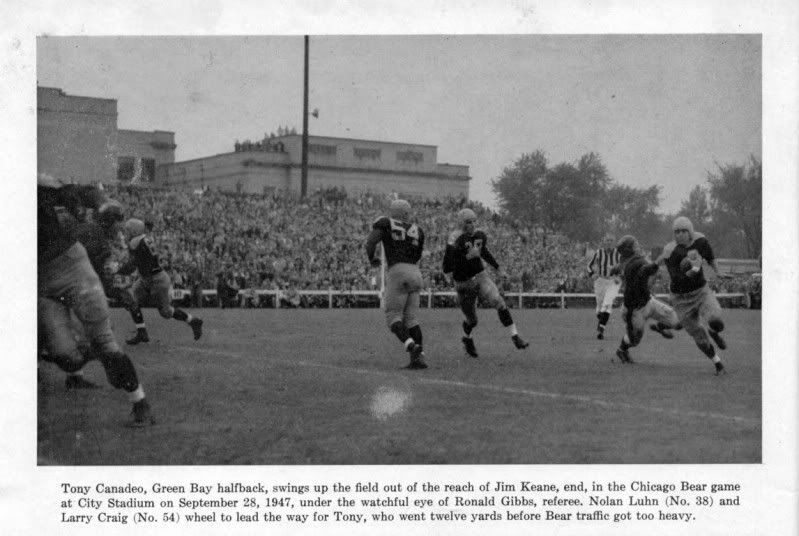
"I would say he would be classified as an icon among all those who were part of the Packers," said Robert Parins, the team's president from 1982 to 1989. "I think his contribution to the Packers really was with people away from Green Bay. He had great name recognition wherever he went."
"He was one of the greatest we had," said Tom Miller, a teammate of Canadeo's in 1946 and one of his best friends. Everyone in the league knows him and how good he was. He could not only carry the ball and field punts, but he could catch passes. He was a good receiver and a good guy. He was liked by everybody. He didn't have an enemy in the world. He was one of the best-liked guys in Green Bay and a hell of a football player."
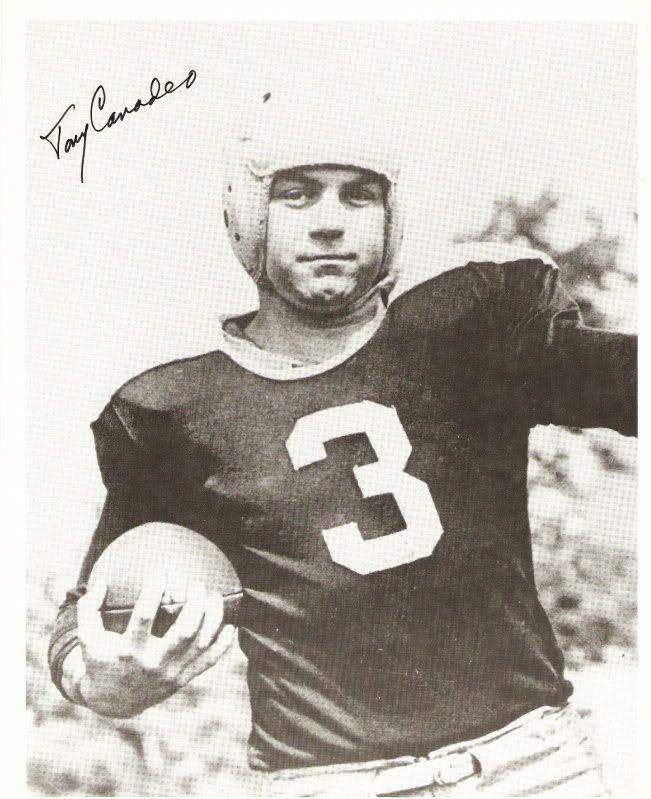
After his retirement, Canadeo worked as a broadcaster with Ray Scott, doing color commentary on Packers games.
On March 7, 1955, he became a member of the team's board of directors.
On April 28, 1958, he was elected to the executive committee.
On May 3, 1982, he was named a vice president.
It was shortly after he became a member of the executive committee that he was involved in the hiring of Lombardi, a little-known assistant coach from the New York Giants.
After Lombardi joined the team in 1959, Canadeo struck up a friendship with the dictatorial head coach. The two shared Italian heritage and Catholic religion in a town very different from where both grew up. "They were very, very close friends," Parins said. "Even after Vince left, their families remained close. Tony spent a lot of time with him after games."
Canadeo remained behind the scenes during his years on the executive committee, but often he was front and center during league meetings. He was so well-known around the NFL that he helped give the Packers an identity when he and Parins traveled to NFL functions.
Though not a native of Green Bay, Canadeo embraced it like his hometown and the Packers like his family. He attended games until his health began to fail and remained a director emeritus with the Packers until his death.
"He was quite close to the organization all of the time," Parins said. "He loved the organization. He loved the Packers. He died when they lost and rejoiced when they won."
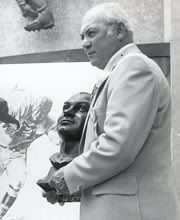
Comment
-
This one's for Howard.
Charles "Buckets" Goldenberg
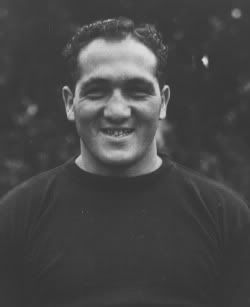
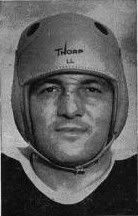
Milwaukee’s Charles Goldenberg inherited his nickname “Buckets” from his brother Dave, a high school lineman with an unusual stance.
Goldenberg was born in Odessa, Ukraine.
A star Wisconsin Badger fullback, the 5’10”, 225-pound Goldenberg signed with the Packers over the Cardinals and Giants in 1933.
A fullback his first two years as a Packer, Goldenberg was converted to guard on the recommendation of Mike Michalske.
He played in the ‘36, ‘38, ‘39 and ‘44 NFL championship games. The Packers won all of those except the ’38 title game.
Goldenberg was voted to the All-time Packer team as a Guard in 1949.
One of the greatest linemen of his era, Goldenberg was a member of the Green Bay Packers for 13 seasons.
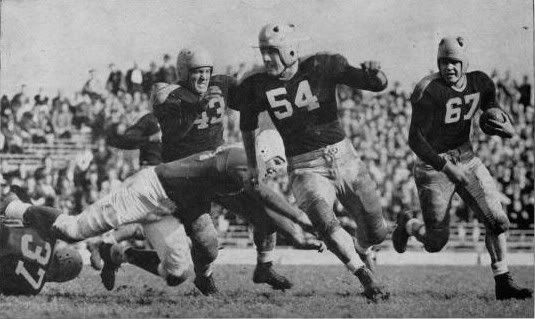
A three-time All-Pro at guard, he was selected to the Pro Football Hall of Fame's All-1930s Team.
Buckets, who also played linebacker, is apparently responsible for one of football's most effective offensive plays -- the draw play.
"I could always tell when (Bears quarterback Sid) Luckman was going to pass as he would drop his left foot back,” said Goldenberg. “When I saw this, I would yell to the other guard to cover my hole and I would take off after Sid and usually nail him. Eventually Bulldog (Turner, Bears running back) realized what I was doing and suggested Sid hand off to (fullback Bill) Osmansky rather than pass. Sure enough, he did and Bill goes roaring through the hole I left for a big gain. Thus the draw play was born."
In 1936, the Packers (10-1-1) returned to glory, winning the NFL Championship, and Buckets shifted to guard.
He said: "The reason I played guard starting in '36 was the team was short on guards...I have always said a guard is just a fullback getting his brains knocked out."
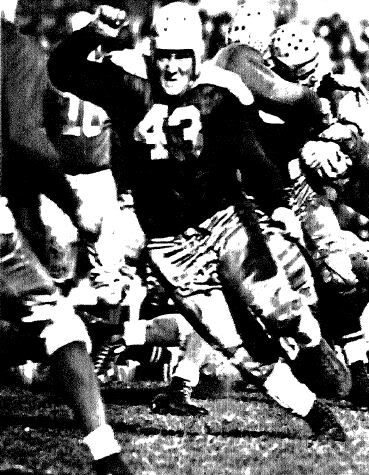
Buckets retired following the 1945 season, having played 120 career NFL games; his thirteen seasons was second most in league history at the time of his retirement.
Goldenberg is a member of the Green Bay Packers Hall of Fame and the International Jewish Sports Hall of Fame.
After his career ended, Buckets was elected to the Wisconsin Athletic Hall of Fame (1973), and was named to the Hall of Fame's All-1930s Team.
After playing, he owned a successful Milwaukee restaurant and served for many years on the Packer Board of Directors.Comment
-
Bob Forte
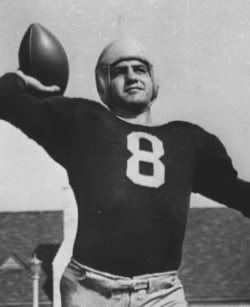
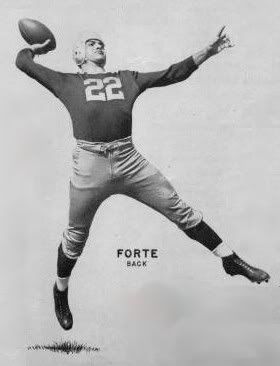
Like many players in his day, Forte was a multi-purpose threat for the Pack.
At various times, he played quarterback, running back and wide receiver on offense.
Defense was where he really excelled as a cornerback.
Blessed with excellent size for his era (6-feet, 199 pounds), Forte totaled 22 interceptions in his time with the team.
Forte led the Packers with eight interceptions in 1947.
Forte was a Packer from 1946-’50 and from ‘52-’53.
His career was interrupted by Korean War service in 1951.
Forte was elected to the Green Bay Packer Hall of Fame in 1973.Comment
-
I haven't read through the thread yet, but wanted to post this anyway.
Thank god this is not another Brent Favre thread. I was weary about the thread title."I firmly believe that any man's finest hour, the greatest fulfillment of all that he holds dear, is that moment when he has worked his heart out in a good cause and lies exhausted on the field of battle - victorious." - Vince LombardiComment
-
very cool! thanks vince.
Comment
-
Chuck Cecil (get out your checkbook)

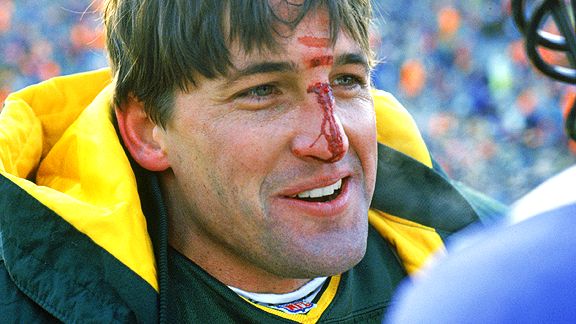 After lunch the players lounged about the hotel patio watching the surf fling white plumes high against the darkening sky. Clouds were piling up in the west… Vince Lombardi frowned.
Comment
-
Lee Remmel
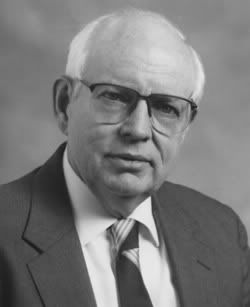
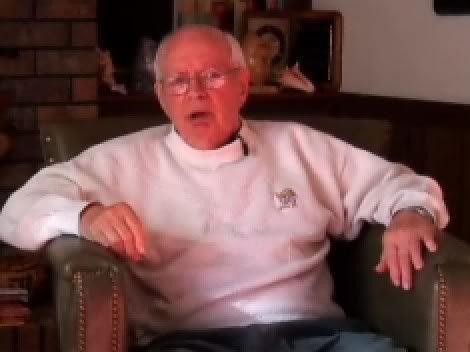
Lee Remmel worked 62 years with the Green Bay Packers as a sportswriter and later a team employee, and is recognized as the foremost authority on not only Packer history, but the history of the entire NFL.
On October 7, 1945, Remmel started covering the Green Bay Packers as a sportswriter for the Green Bay Press Gazette.
He was the only sportswriter who had covered all of the Packers coaches from the team's first coach Curly Lambeau to Mike McCarthy.
Former Packers quarterback Brett Favre described Remmel, "He’s a Packers icon. There will never be another like him. His knowledge of the team and its history has always been impressive. He is sharp as a tack when it came to those things – truly impressive."
Remmel was named Wisconsin's Sports Writer of the year in 1967.
Remmel was inducted in the Green Bay Packers Hall of Fame on March 30, 1996.
To honor his induction into the Packers Hall of Fame, the team built a new press box in August 2003, and they named it "The Lee Remmel Press Box".
Each April, the "Lee Remmel Sports Awards Banquet" honors high school to professional athletes. The banquet has raised over $150,000 for Green Bay area colleges and high schools.
Remmel joined the Packers front office in 1974 as director of public relations.
He continued to head the Packers PR department until Bob Harlan named him team historian in 2004.
Remmel possesses what the New York Times has described as probably the longest living memory of the N.F.L.
“I’d have to think for a heck of a long time to find someone like Lee who was a part of the old N.F.L. guard who is still around today,” said Gil Brandt, the former Cowboys personnel chief, who now analyzes the league for NFL.com. “In fact, it’s almost impossible to find someone who goes back to the early days as long a ways as Lee goes.”
"Lee has been a great ambassador for the Green Bay Packers for many years," Packers Chairman Bob Harlan said. "He is a class individual who has served this organization with the utmost professionalism and respect. Many people involved in this game and around the NFL have such great respect for him. His relationships with people are what have served him so well -- with the media, with the fans, everyone. He is the consummate professional."
"He must have told me a story about Art Rooney and the Steelers about 20 times just in the first year I was here," Packer Head Coach Mike McCarthy said. "People like Lee are so special because they have lived through so many decades and generations of this sport, especially with the history of the Green Bay Packers. He is someone special to this organization."Comment
 Tweet
Tweet
Comment